LNP – World’s most liveable city for 2025 revealed
After a three-year run at the top of the annual list from the Economist Intelligence Unit (EIU), the Austrian capital has been beaten out by “Wonderful, Wonderful Copenhagen.”
Read more
Sri Lanka's Largest Open Newspaper Forum

After a three-year run at the top of the annual list from the Economist Intelligence Unit (EIU), the Austrian capital has been beaten out by “Wonderful, Wonderful Copenhagen.”
Read more
Following the recent relaxation of vehicle imports, the Department of Motor Traffic (DMT) announced today that a total of 73,489 new vehicle and electric car registrations have been recorded so far this year, increasing the country’s total vehicle population to 8,528,002.
Read more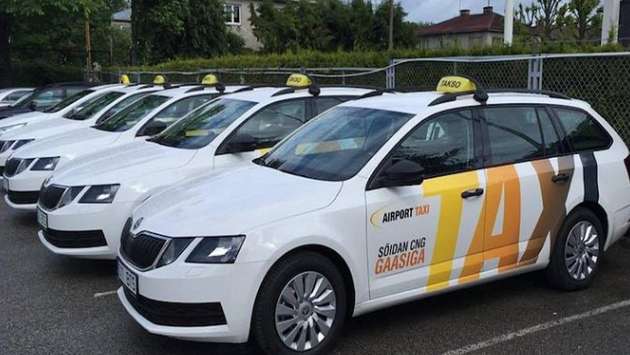
App-based taxi services at Bandaranaike International Airport (BIA) claimed that they are facing huge issues after airport authorities suddenly decided to limit the types of vehicles allowed inside the airport.
Read more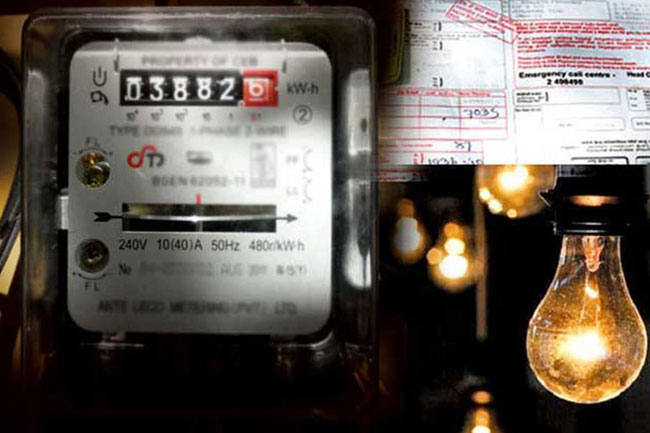
The Public Utilities Commission of Sri Lanka (PUCSL) has granted approval to increase electricity tariffs by 15% with effect from tomorrow (12).
Read more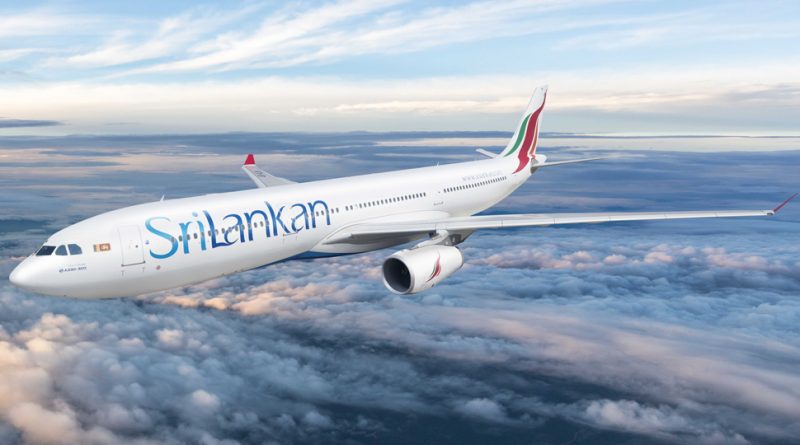
In its plan for increasing the fleet to 25, SriLankan Airlines, the national carrier, is pressing ahead with its plan for the acquisition of two-more wide-body aircraft by the end of this year in a bid to increase frequency of operations on the existing routes while resuming operations on routes currently on hold, an official said.
Read more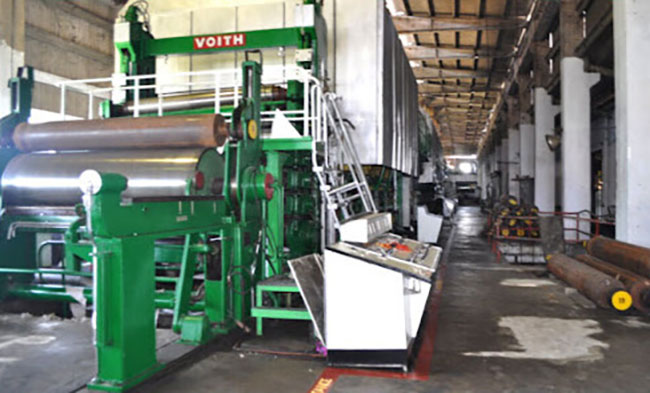
The state-owned Valaichchenai Paper Mill is currently operating at a profit, according to Minister of Industry and Entrepreneurship Development Sunil Handunneththi.
Read more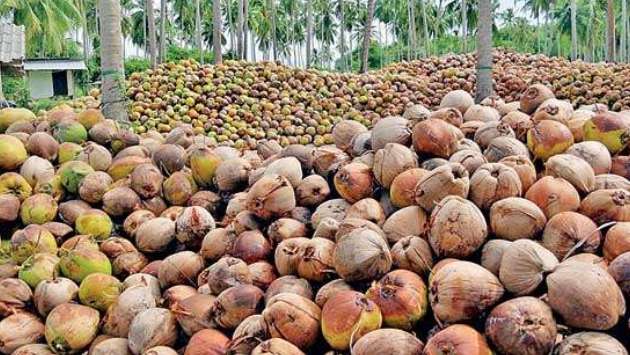
The Coconut Research Institute has forecast a further decline of 250 million nuts crop for the first half of 2025 harvest during the first half of this year compared to last year, the current harvest stands at 1,407 million nuts for the first half of 2025, according to statistics from it.
Read more
Sri Lanka has received USD 641.7 million in workers’ remittances in May 2025, according to the latest figures released by the Central Bank of Sri Lanka (CBSL).
Read more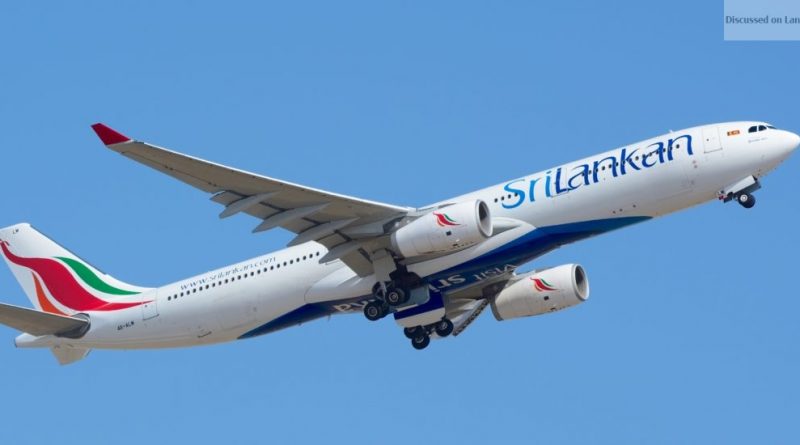
A special relief flight, UL 302, has departed from Bandaranaike International Airport (BIA) to Medan International Airport on the Indonesian island of Sumatra to transport 101 passengers and crew members of SriLankan Airlines flight UL 306, which was grounded due to a technical fault.
Read more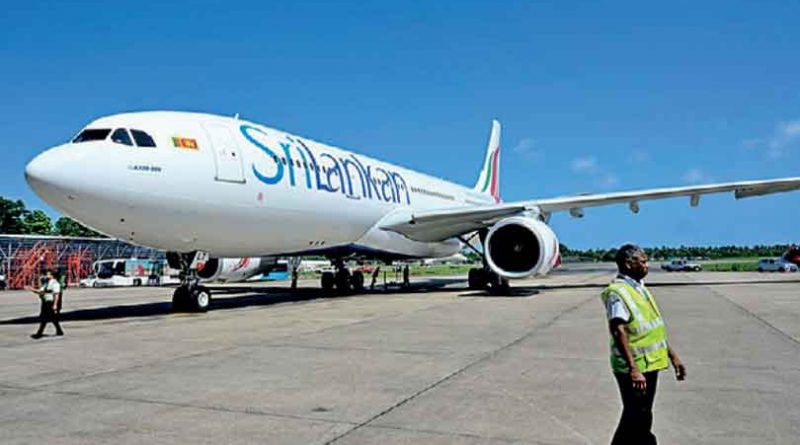
SriLankan Airlines yesterday welcomed an Airbus A330-200 wide-body aircraft on arrival from Paris.
Read more